Do You Need A Licence To Rent A Boat In Berlin?
The German licence rule for rental boats explained in plain terms: when a Sportbootfuehrerschein is required, when engine power exempts you, and what still applies on Berlin's waterways.
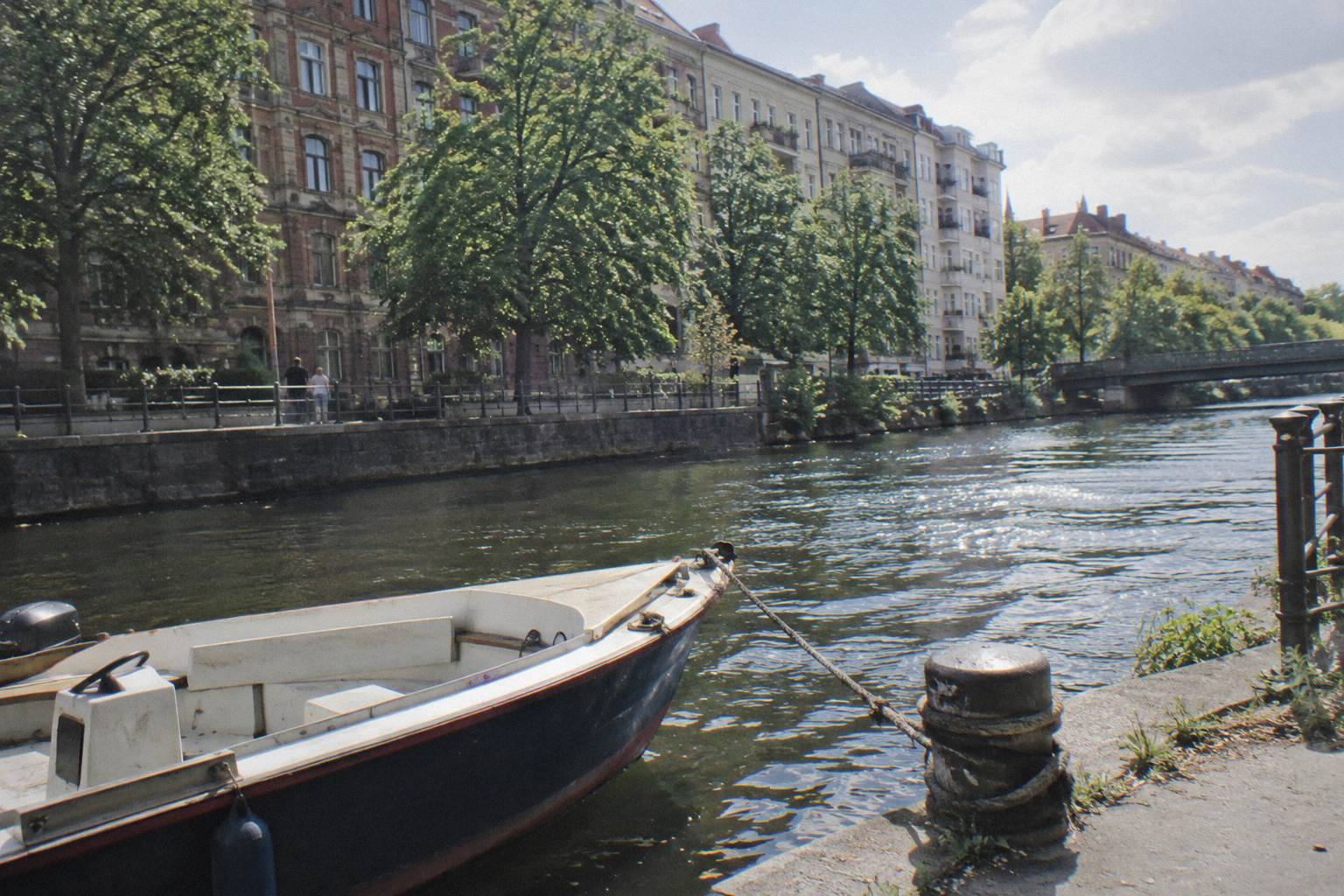
Rental boats line the Spree and the Landwehrkanal all summer, and almost every advertisement attached to them carries the same promise: no licence needed. That promise is usually accurate, but it is not a tourist concession. It exists because German federal law sets an engine-power threshold below which a specific licence is simply not required, and the boats for hire in Berlin sit deliberately below that line. Understanding where the line sits, and what it does and does not exempt you from, turns a marketing slogan into something you can verify in a two-question exchange with any rental firm.
The regulation itself, how to apply it when a company says a boat is licence-free, what the exemption leaves untouched, and where guided paddling trips fit, since a kayak or canoe with no engine at all sits outside the licence conversation entirely.
In most cases, no. A sports boat licence for inland waterways is only required on federal inland waterways when the engine exceeds 11.03 kW (15 PS) combustion or 7.5 kW electric, for craft under 20 m. Berlin rental fleets are built around boats at or under those limits, which is why firms advertise licence-free hire. Kayaks and canoes carry no engine, so the licence rule does not reach them at all.
The answer has two halves. The first half is the regulation itself, which is federal and power-based. The second half is the rental market, which has arranged itself around the regulation by offering small, slow, low-powered craft that fall under the thresholds. When a hire company says a boat is licence-free, it is making a claim about that boat's engine, and you are entitled to ask for the number behind the claim before you hand over money.
A caution worth stating early: licence-free does not mean rule-free. Speed limits, right of way, navigation marks and restricted zones apply to every vessel on the water, licence or not. A boat below the power threshold exempts you from carrying a plastic card in your pocket. It does not exempt you from knowing what you are doing, and a rental briefing, however brief, is not a substitute for basic care on a busy city waterway.
The site's editorial line on this is simple: if a reader asks this question, they are deciding which boat they can actually book.
What The German Licence Rule Actually Says
That is the whole licence test, and it is worth reading twice because every licence-free claim in Berlin traces back to it. The threshold is about engine power and nothing else. A boat at or under 11.03 kW (15 PS) combustion, or at or under 7.5 kW electric, does not need that licence on the waters where the rule applies. The official page setting this out is published by ELWIS, the electronic waterways information service of the federal administration, and it is the primary source worth consulting directly: the federal sports boat licence requirements on ELWIS.
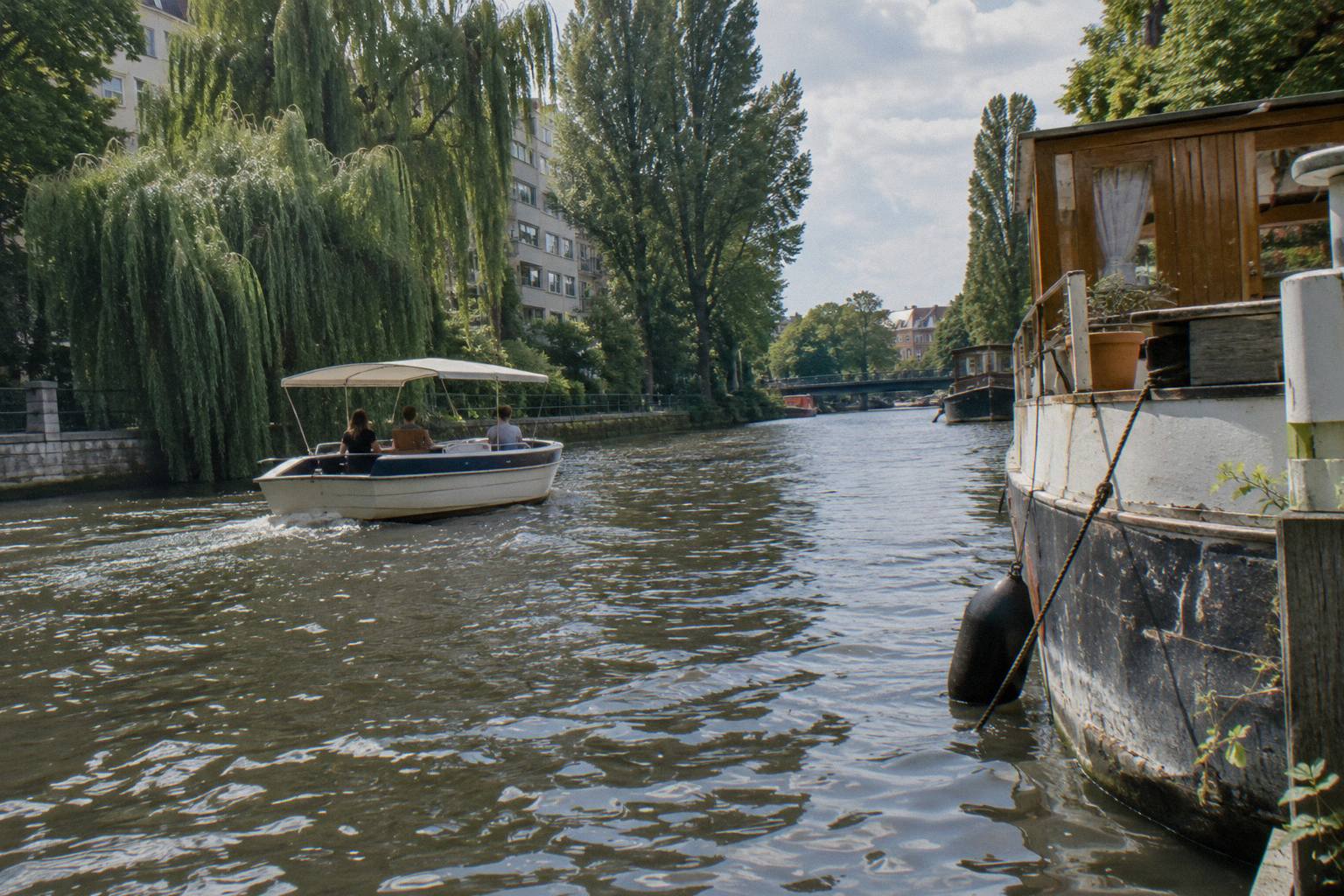
The electric detail matters more each year, because Berlin's rental fleets have shifted toward electric drives. The limit for electric engines was lowered to 7.5 kW, a tighter ceiling than the combustion figure, so a boat that would be licence-free with a small petrol engine might not be licence-free with a larger electric motor. If you are comparing two hire boats and one is electric, the numbers to compare are different numbers.
| Engine type | Licence required above | Licence-free at or below | Craft the rule covers |
|---|---|---|---|
| Combustion | 11.03 kW (15 PS) | 11.03 kW (15 PS) and under | Craft under 20 m on federal inland waterways |
| Electric | 7.5 kW | 7.5 kW and under | Craft under 20 m on federal inland waterways |
| None (kayak, canoe, rowboat) | Not reached by this rule | The rule is power-based only | Engine power is the trigger, not the vessel type |
One thing to keep in mind: the licence rule discussed here is about engine power, not age. It says nothing either way about a minimum age, so do not look to it for answers there. Age or deposit conditions are for the rental firm to state, and the right move is to ask the firm directly and read the booking page before you commit.
How To Check Whether A Rental Boat Is Really Licence-Free
Ask the rental firm for the engine power in kW or PS, then compare it with the thresholds: more than 11.03 kW (15 PS) combustion or more than 7.5 kW electric means a Sportbootfuehrerschein Binnenschifffahrtsstrassen is required, at or under means it is not. The licence-free label is a company claim about engine power, so verify the number, not the slogan.
This is the practical heart of the matter. Rental firms advertise licence-free boats because their fleets are engineered to sit under the thresholds, but the advertisement is a company claim, not a regulation. The regulation is the power figure. Most firms publish engine data willingly, and a firm that cannot or will not state the power of the boat it is handing you is a firm worth walking away from, because the same vagueness tends to extend to insurance and deposits.
The exchange takes thirty seconds. Ask: what is the engine power in kilowatts or metric horsepower? Then run the comparison. A 10 PS petrol engine is licence-free. A 5 kW electric motor is licence-free. A 15 PS combustion engine, sitting exactly at the threshold, is licence-free, because the rule bites only above the number. An electric motor rated above 7.5 kW is not licence-free even though its combustion equivalent in PS might sound modest, and that asymmetry catches people out.
A second question is worth asking at the same time: does the firm mean the same waters you do? The rule's scope is "federal inland waterways" and mapping individual city canals onto that category is a job for the authorities. The rental firm operates on its home waters daily and can tell you plainly where its boats are permitted, which also settles where you are permitted.
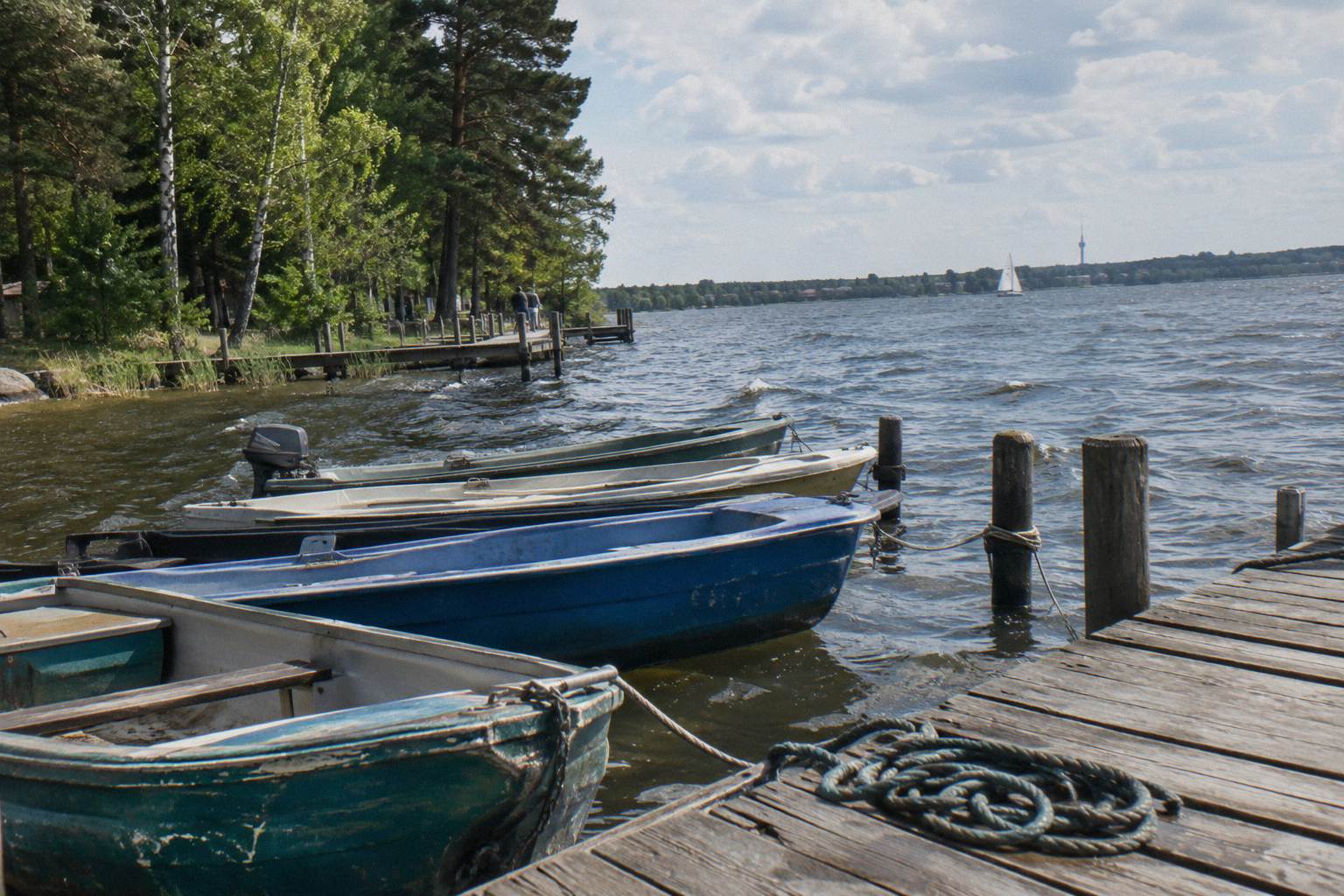
The distinction matters because a licence-free boat is not an all-water boat. Hire fleets in Berlin typically operate on defined stretches, the Spree through the centre, the Landwehrkanal, the Wannsee and Havel lakes to the southwest, and the boundaries of the hire agreement usually follow the boundaries of the firm's operating area. Staying inside both the power limit and the agreed area is the whole of the legal burden on a casual hirer, and it is a light one when approached directly.
What The Licence Exemption Does Not Cover
The exemption is power-based only. Speed limits, right of way, navigation rules and restricted zones apply to every vessel regardless of engine size or licence status, so licence-free never means rule-free. Anyone writing that no rules apply, or that anyone can drive a rental boat, is misreading a narrow exemption as a general permission slip.
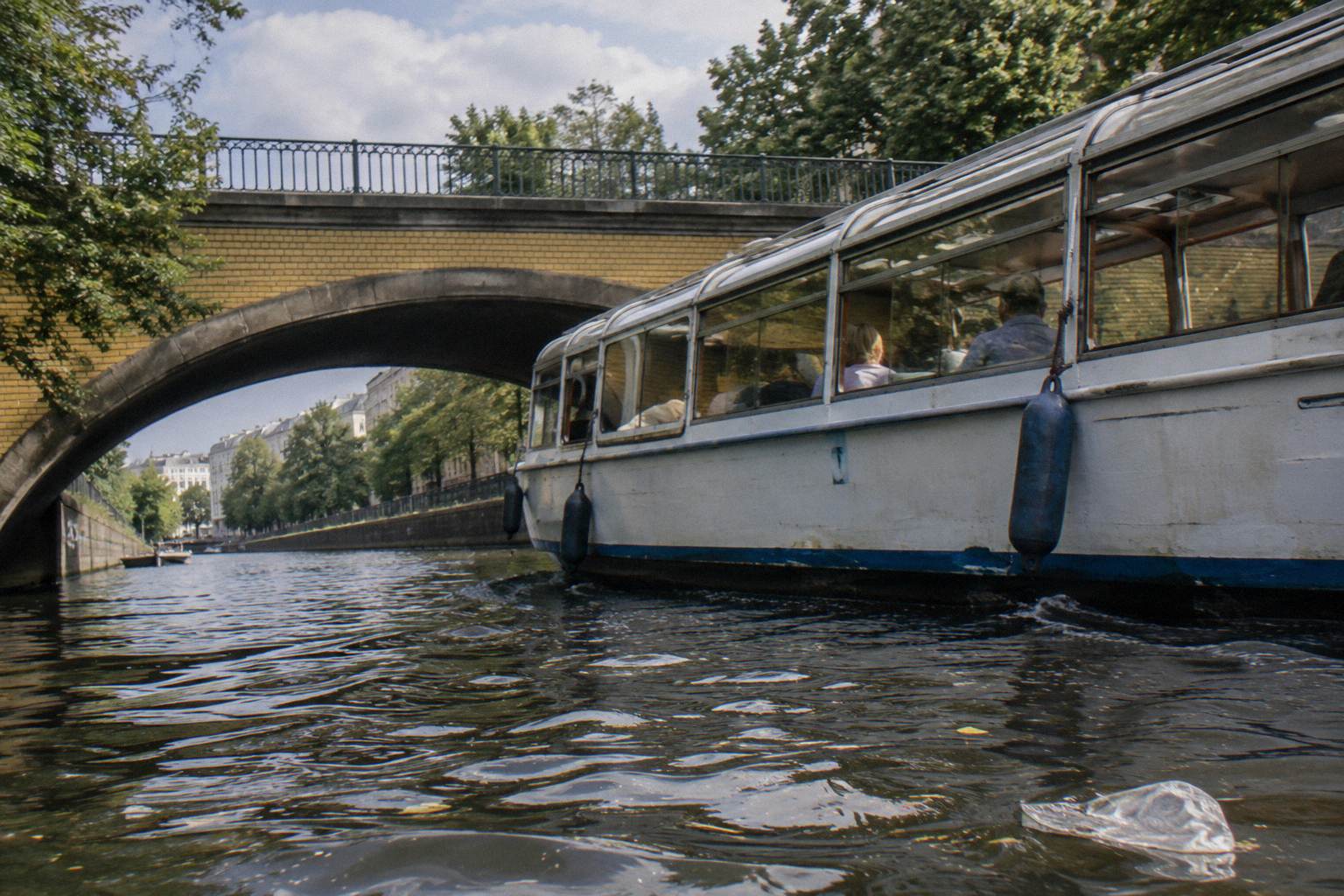
The most common misunderstanding among visitors is treating "no licence needed" as "no knowledge needed." The licence that is not required is a certificate of competence, and its absence does not switch off the rules of the water. On the contrary, an unlicensed hirer carries exactly the same obligations as a licensed one: correct side of the channel, correct priority at bridges and locks, respect for posted speed limits and no-wake zones, and care around commercial traffic. Berlin's city centre waterways are working river, with large passenger vessels moving through them constantly.
The practical reading is that the briefing a rental firm gives you before departure is not a formality. It is the entire safety education you will receive, condensed. Listen for the parts about where to turn around, where not to go, and how to behave when a big white sightseeing boat bears down on you. Those operational rules apply to you at 5 PS exactly as they apply to the professional at the wheel of the passenger vessel, and they apply with more force because you are the less predictable craft on the water.
| What the licence exemption does | What it does not do |
|---|---|
| Removes the requirement to hold a Sportbootfuehrerschein Binnenschifffahrtsstrassen below the power thresholds | Remove speed limits on the waterway |
| Applies to craft under 20 m on federal inland waterways | Grant priority over commercial or licensed vessels |
| Allows firms to hire low-powered boats to unlicensed customers | Authorise entry into restricted or closed zones |
| Distinguishes combustion (11.03 kW / 15 PS) from electric (7.5 kW) limits | Excuse a hirer from right-of-way and navigation rules |
Alcohol deserves a mention here even though the licence rule is silent about it, because the paddling trips are not: the sunset kayak tour on the Landwehrkanal lists alcohol and drugs as not allowed, a sensible standard that self-drive renters would do well to copy voluntarily. Impairment on the water is dangerous at any engine power, and a collision at walking pace with a bridge pier can still end a day badly.
Kayaks And Canoes Sit Outside The Licence Question Entirely
A kayak or canoe has no engine, so the power-based licence rule never engages: there is no threshold to fall under because there is no engine to measure. Berlin's guided paddling trips are booked options that require no licence of any kind, with a guide, briefing and equipment included, which removes the entire self-drive legal question from your planning.
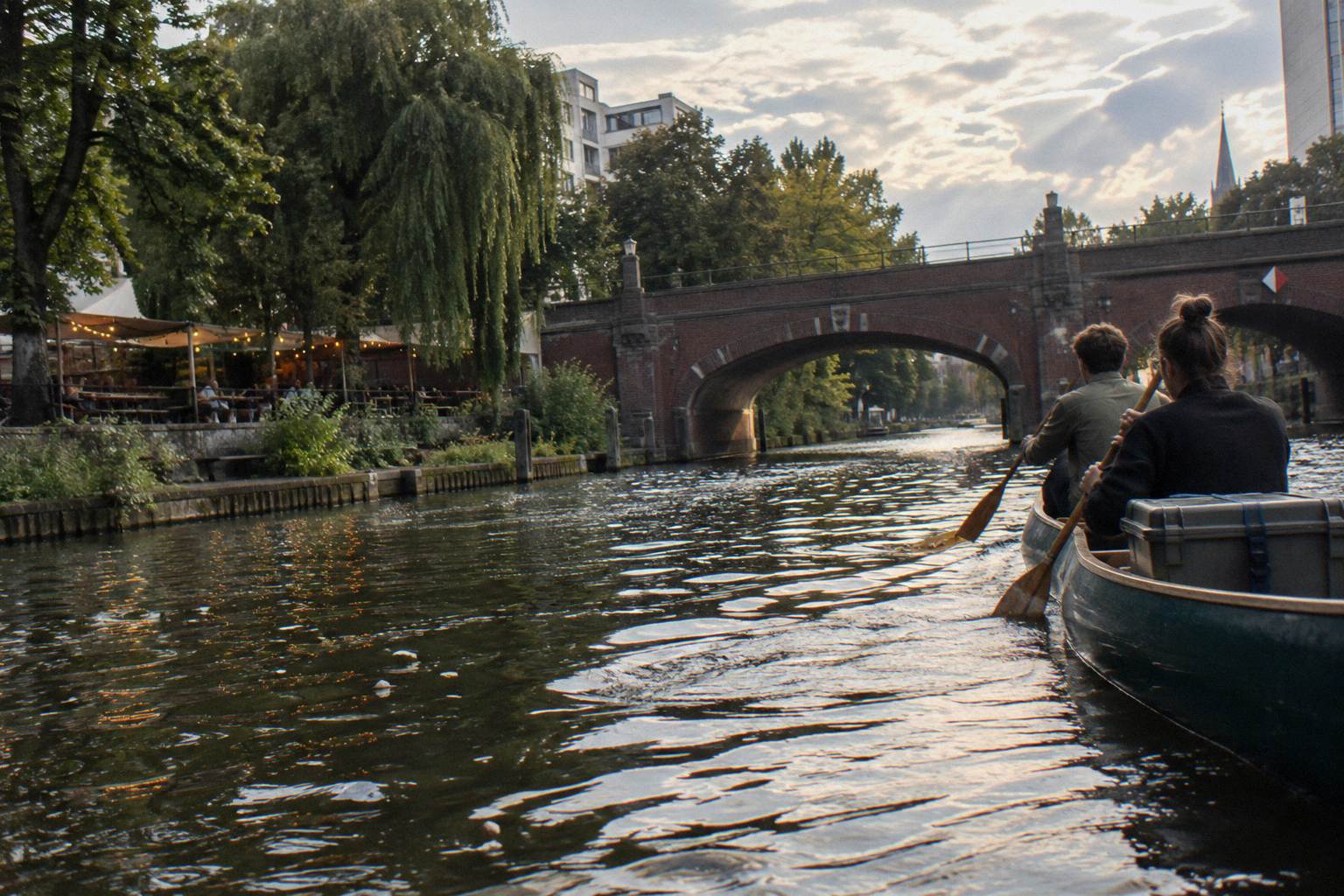
This is the quiet escape hatch in the whole topic. The licence rule is triggered by engine power, and a paddle is not an engine. Whether the trip is the guided canoe tour from the Canoa Beach bar on the Sonnenallee or the sunset kayak tour on the Landwehrkanal, the legal question a reader arrived with simply dissolves. What replaces it is a set of practical facts about the trip itself, which the booking pages state plainly.
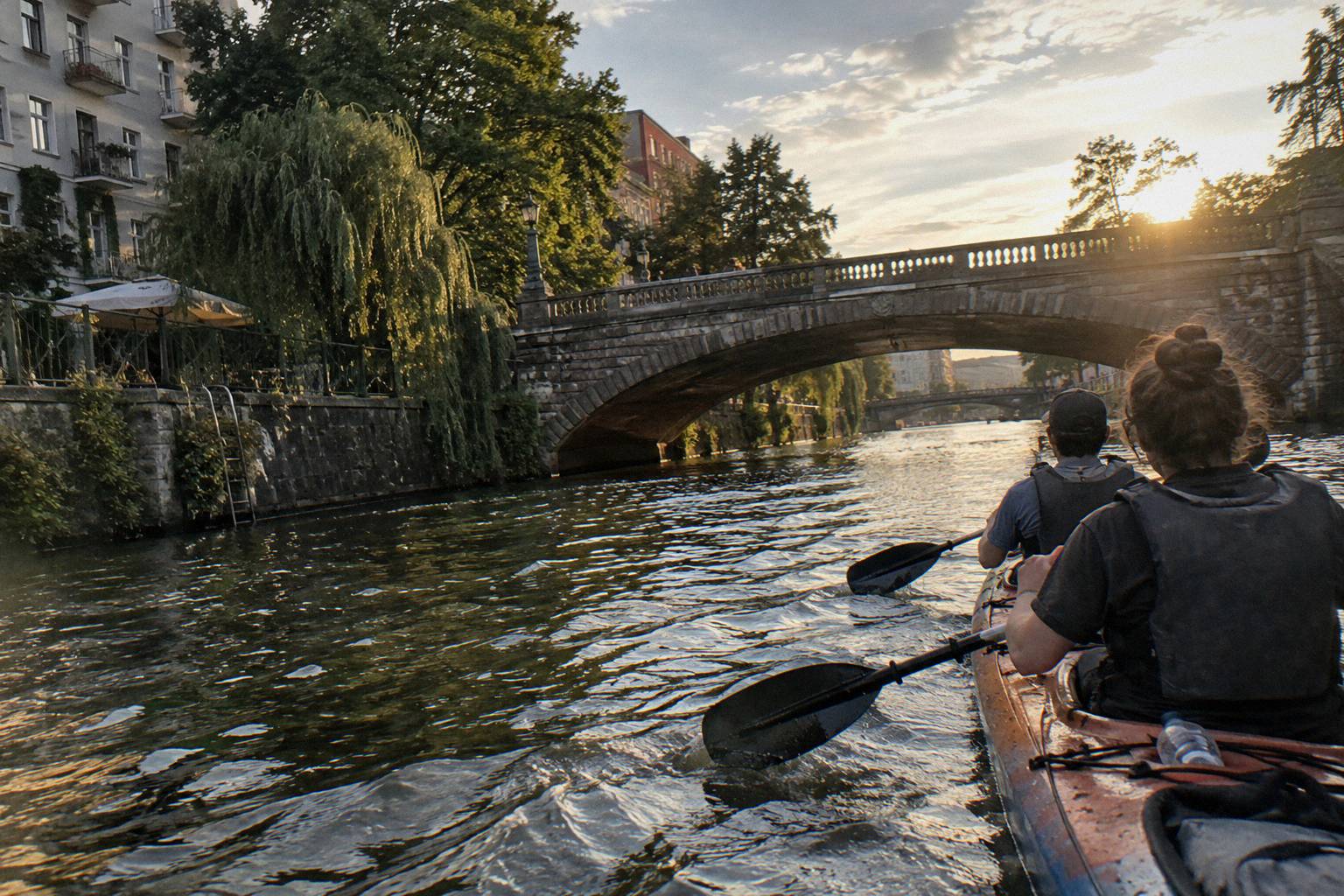
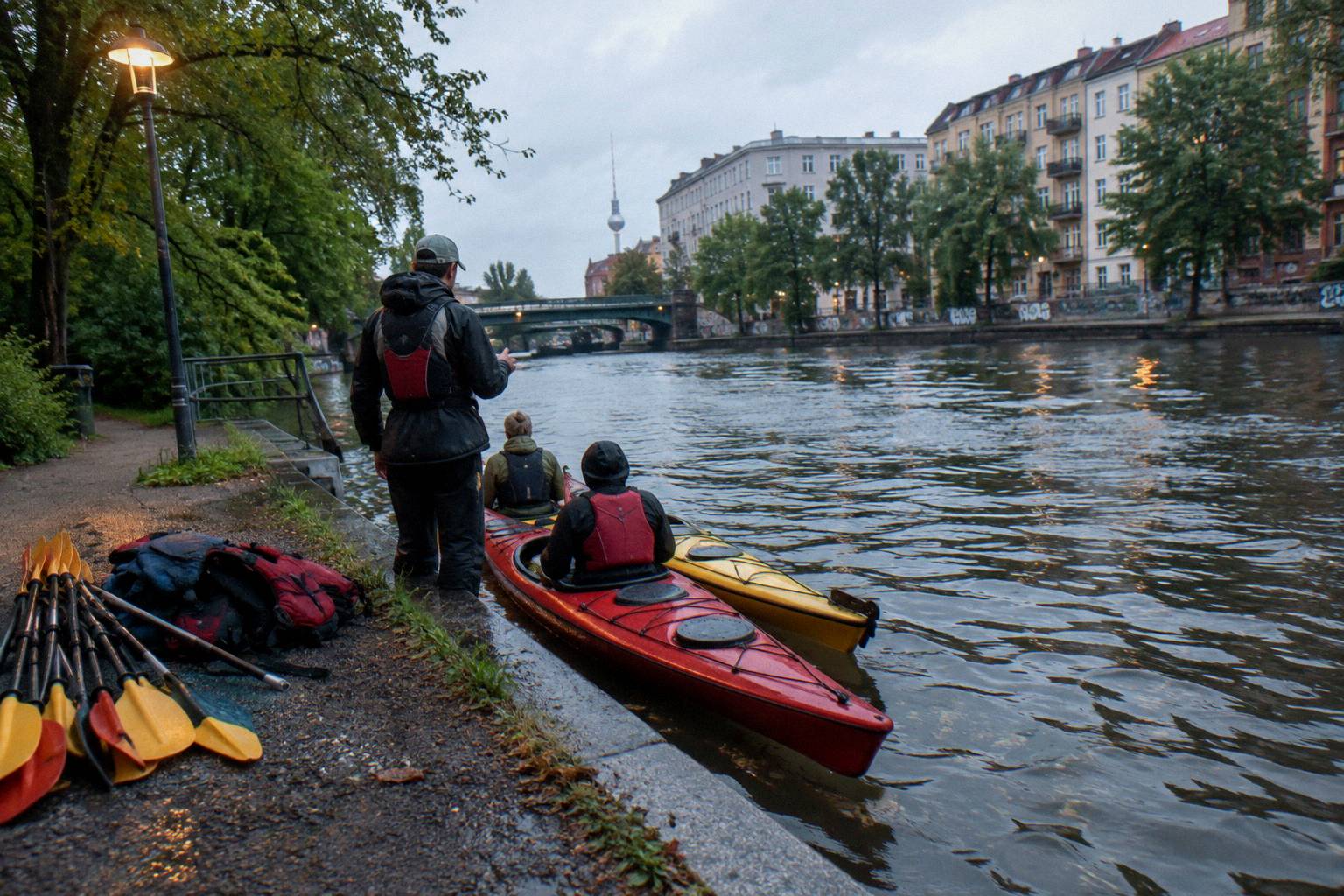
The sunset kayak tour, run by Kajak Berlin Tours from Carl-Herz-Ufer 9 in Kreuzberg, is rated 4.7 from 339 reviews. It runs about 2.5 hours in total, 2 hours on the water plus about 30 minutes of preparation, and begins with a 15 minute safety briefing in the Urbanhafen before paddling toward the Laenderdreieck and the Admiralbruecke. A tandem kayak, paddle, life vest and spraydeck if required are included, along with an introduction to paddling techniques, and you may be asked to help carry the kayaks. Alcohol and drugs are not allowed. Larger groups get a German-speaking and an English-speaking guide, smaller ones a single guide working bilingually in both languages.
The canal it paddles is itself a piece of Berlin history. The Landwehrkanal is about 10 km long and was the city's first artificial waterway, first planned in 1841 and built in the 19th century, as the city's official visitor information describes. Paddling it at sunset, with the guide handling navigation and right of way, you get the water-level view of Kreuzberg without carrying any of the responsibility described above.
The guided canoe tour by Canoa Berlin, rated 4.7 from 41 reviews, starts and ends at the operator's beach bar at Sonnenallee 221F, reached via the Sonnenallee S-Bahn station on the Ringbahn. The listing includes a paddle, swim vest, dry box for valuables and live commentary, and the booking page shows 3 hours in one place and 2.5 in another, so check the duration shown for your date. The page also notes minimum numbers apply and the trip can be cancelled for too few guests, and says the activity is not wheelchair accessible, with service animals allowed. For suitability questions, the standing advice holds: ask the operator and read the booking page.
If paddling is not your speed but you still want someone else to hold the tiller, the same logic extends to passenger cruises. The Spree and Landwehrkanal boat tour with a live guide, rated 4.6 from 4,847 reviews, runs about 3.25 hours with a German-speaking live guide plus an audio guide in other languages, and you are a passenger throughout. There is no licence, no briefing on right of way, no engine figure to verify. The tour's meeting point depends on the option selected, so the booking page is the place to confirm where you board.
Who Can Actually Take The Wheel On A Licence-Free Rental
The licence rule discussed here is about engine power, not age. What governs a casual hirer beyond that, including any age and deposit conditions, is for the rental firm to state, along with the basic reality that an unlicensed driver carries full responsibility for navigation rules. Ask the operator and read the booking page before assuming anyone in your group can drive.
The licence rule discussed here concerns engine power, not people: it sets the power thresholds a boat can fall under, and age is a separate matter. Whether there is an age condition, and what deposit is required, is for the rental firm to state, so ask the firm and read the booking page before reserving. That is not a disclaimer filling space but the actual answer to this question.
The same goes for suitability in a broader sense. No page should tell you that a specific person can safely pilot a boat; that depends on the person, the water, the weather and the boat. What a page can do is point at the questions worth asking: engine power, operating area, age policy, deposit, what happens in a breakdown, and whether the firm's briefing covers the specific stretch you will be on. A firm that answers all six without flinching is a firm that has answered them before.
A Practical Checklist Before You Book Any Self-Drive Boat
Work through five things in order: the engine power against the 11.03 kW (15 PS) combustion or 7.5 kW electric thresholds, the operating area, the firm's age and deposit policy, what the pre-departure briefing covers, and your own honesty about handling a boat in traffic. Any wobble on the fifth point is a signal to book a guided trip instead.
The fifth point deserves no embarrassment. Berlin's centre is a confined, busy waterway with bridges, locks and large passenger vessels, and a reader asking about licences is, fairly often, a reader who has never driven a boat. The licence exemption was written for exactly that situation, small slow craft on sheltered water, but the exemption assumes a careful driver. If the checklist reveals more doubt than confidence, the guided paddling trips and the live-guided cruises deliver the water-level experience with the responsibility assigned to someone who does it daily.
The paddling options can be weighed against each other: the kayak and boat tours on the Spree set out the trips side by side, and whether it is safe to kayak or row on the Spree covers the water-conditions angle. Between them you can decide whether a guided canoe, a sunset tandem kayak or a dry-land-adjacent passenger cruise fits your group. As this Berlin Boat Tours article has argued throughout, the licence question is the easiest part of the decision: the numbers are public, the thresholds are fixed, and the boats are built to sit beneath them.
The through-line of all of it: the licence rule is a threshold, not a philosophy. Below 11.03 kW combustion or 7.5 kW electric on federal inland waterways, under 20 m, no Sportbootfuehrerschein is needed, and Berlin's rental market exists because of that arithmetic. Everything else, the briefing, the zones, the right of way, the condition of the hirer, is where a good day on the water is actually decided.
Common Questions About Renting A Boat In Berlin
Do You Need A Licence To Rent A Boat In Berlin?
Only if the boat's engine exceeds 11.03 kW (15 PS) combustion or 7.5 kW electric on federal inland waterways, for craft under 20 m. Berlin rental fleets are built at or under those limits, which is why firms advertise licence-free hire. Kayaks and canoes have no engine, so the rule does not apply to them.
What Engine Power Is Licence-Free In Germany?
Engines at or under 11.03 kW (15 PS) for combustion and at or under 7.5 kW for electric do not require the Sportbootfuehrerschein Binnenschifffahrtsstrassen on federal inland waterways, for craft under 20 m. The electric limit was lowered to 7.5 kW. Above those figures the licence is required.
Do Licence-Free Boats Have Any Rules?
Yes. The exemption is power-based only. Speed limits, right of way, navigation rules and restricted zones apply to every vessel regardless of licence status. Licence-free never means rule-free, and an unlicensed hirer carries the same navigation obligations as a licensed one.
Do I Need A Licence For A Kayak Or Canoe In Berlin?
No licence question arises, because the rule is triggered by engine power and a paddle craft has none. The guided paddling trips, the sunset kayak tour and the guided canoe tour, include equipment, a briefing and a guide, with no licence requirement of any kind.
Is There A Minimum Age To Rent A Boat In Berlin?
The licence rule covered in this article is about engine power, not age, and the sources here say nothing about a legal age requirement. Age limits, deposits and supervision rules are rental company policy, so ask the operator and read the booking page for the specific boat you want.
How Do I Verify A Licence-Free Claim From A Rental Firm?
Ask for the engine power in kW or PS and compare it with the thresholds: above 11.03 kW (15 PS) combustion or 7.5 kW electric requires the licence, at or under does not. The licence-free label is a company claim about engine power, so check the number rather than the slogan.